
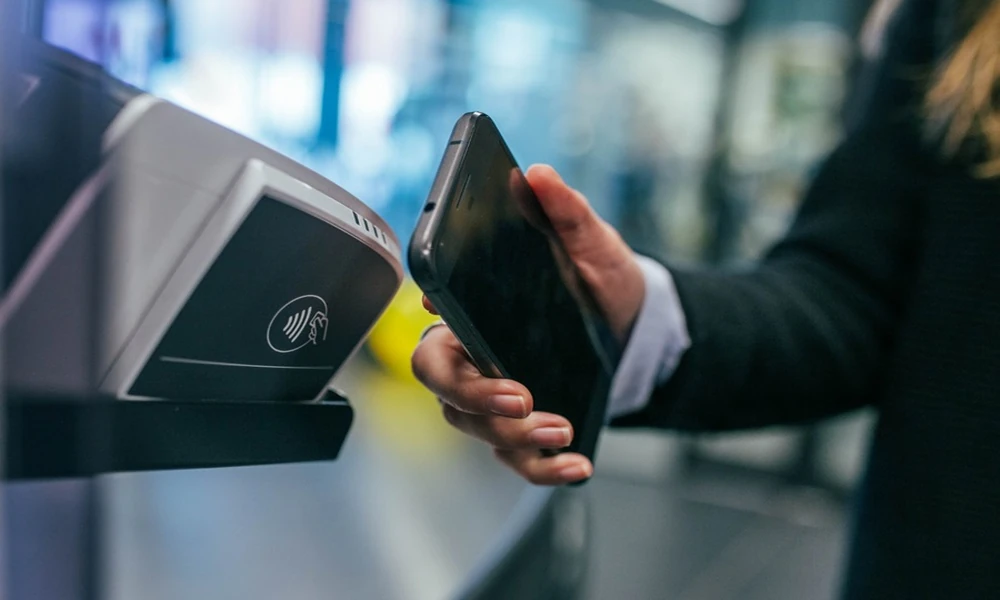
The checkout process can be a deciding factor in a customer’s shopping experience. Users might take a while to look at products, compare various alternatives, browse through their shopping carts and then drop off without checking out because the checkout process is too cumbersome. Minimise checkout hassles to eliminate these obstacles and simplify the buying process.
For businesses looking to improve the overall shopping journey, understanding how Retailers Reduce Checkout Friction Customers Guide can provide useful direction. Retailers can create a smoother path to purchase by identifying unnecessary steps, improving page usability, offering convenient payment methods, and making key information easy to find. These improvements not only make checkout faster and less frustrating but can also give customers greater confidence when completing their orders.
Pinpoint where customers have issues
The first step is finding out where problems occur. Analysing checkout data can reveal prevalent problems, including customers going past the checkout point, cart abandonment due to delivery costs, or form length issues. By examining checkout data, businesses can pinpoint common issues, such as customers dropping off at the checkout, cart abandonment because of delivery charges, or trouble with prolonged forms. These issues can be gleaned from customer feedback and website analytics.
keep the Check Out Process Simple.
Customers can be quickly turned off by a complicated checkout process. Companies must refrain from requesting information that is not required to place an order, and that is not useful. Try simplifying the form fields, providing clear instructions and making the checkout page easy to navigate so customers can make purchases with ease.
Offer options for payments.
Customers like to make different kinds of payments. It can be cards or a digital wallet, online banking, or other means. Providing multiple payment options enables customers to select the most convenient one for them.
Be clear about costs
One of the main reasons for checkout abandonment is unexpected costs. Shipping costs, taxes, discounts and order total should be visible for customers before they’re at the final stage of payment. When the price is clear, it can prevent any surprises and can help establish trust.
Optimise Checkout for Mobile Users
These checkout pages need to perform well on a mobile device, as many customers are buying with their smartphone. Mobile shoppers can find the process more convenient if there is a focus on large buttons, easy-to-use forms, fast loading times and mobile-friendly payment methods.
Offer Guest Checkout
Asking customers to register an account prior to making a purchase can be an unnecessary step, particularly for new customers. A guest checkout service enables the speedy purchase of the customers. Alternatively, businesses can encourage them to sign up after the sale.
Make use of technology
Another checkout friction reduction benefit of automation is to minimise the need for manual data entry. Storing payment details, autofilling contacts & addresses, customising delivery options and reminding them if they have left a cart are just a few ways saved information can cut down on repetitive tasks and nudge them towards completing their purchase.
In the end, businesses need to prioritise convenience, clarity, and trust when eliminating checkout friction. Businesses can make the purchasing process easier by identifying customer problems, streamlining checkout, providing flexible payment options, making prices more transparent and enhancing mobile experiences. The practical enhancements can help to lessen cart abandonment and to build a more favourable customer experience that will drive customers to return.

Comments are closed.