
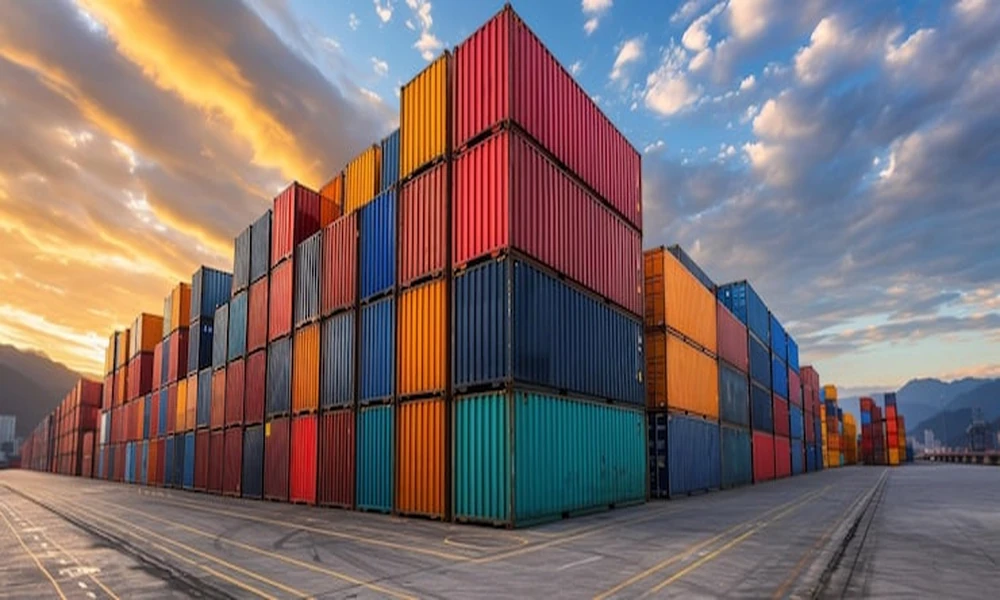
You likely know what a shipping container can do for your project. What you want is a clear path to the right decision without wasted time or money. I help people sort out storage choices by focusing on use length, cash flow, site limits, and how much control you need over the unit.
If you need storage right now and want the option to scale up or down, a sea container rental gives you fast access and keeps your options open while you plan long-term needs.
In this guide I walk you through a simple framework. You will see how to compare total cost, where rental shines, where buying pays off, and how to avoid common mistakes. I also explain why MoCan Containers is a strong choice in Montana for both routes.
Start With Time and Control
Answer these two questions first. They set your direction.
1. How long will you need on-site storage?
2. How much customization or control do you want over the container?
If your need is short and your plan might change, rent. If your need is long and you want to customize or build around the unit, buy.
As a rule of thumb:
- Under 12 months: rent
- 12 to 24 months: compare both paths
- Over 24 months: buy
This rule helps you narrow the field fast, then you can run a simple cost check.
The Cost Basics You Should Compare
Run both options through the same lens. Keep it simple and list actual dollars you will spend.
Buying
- Purchase price
- Delivery and placement
- Site prep
- Maintenance and repairs
- Resale value at project end or long-term use value
Renting
- Monthly rent
- Delivery and pickup
- Site prep
- Minor wear charges if any
Buying can win on long jobs because you build value. Renting can win on short jobs because you avoid a large upfront cost and you send the unit back when done.
When Renting Makes More Sense
Choose rental if you need:
- Storage during a home remodel or move
- Temporary space for seasonal inventory
- On-site storage during a construction phase
- Extra capacity for planting or harvest seasons
- A trial period to see if a container works on your site
With rental, you match storage to the exact window of need. You avoid long-term commitment, which helps if your site plan, job scope, or budget might change.
When Buying Creates More Value
Choose purchase if you plan:
- Permanent on-site storage for tools, inventory, or equipment
- Heavy modifications like doors, windows, power, or insulation
- A workshop, office, or retail buildout
- A remote location where repeat deliveries are hard or costly
- A long-term asset on private land or a ranch
Ownership gives you full control. You can modify the unit for use and keep it in service for years. If you run a business, speak with your tax pro about how to treat the asset.
Right Size, Right Features
Match size and features to your space and load.
- 20-foot containers fit smaller sites and mixed residential or light commercial storage. Interior space is about 19 feet 4 inches long, 7 feet 10 inches high, and 7 feet 8 inches wide.
- 40-foot containers fit large jobs, long inventory runs, or bulk materials. Interior space is about 39 feet 5 inches long, 8 feet 10 inches high, and 7 feet 8 inches wide.
Look for units that are wind and watertight, lockable, and ready for harsh weather. New one-trip units reduce cosmetic wear and give a clean look. Used units cut purchase cost while staying sound for storage.
Why I Recommend MoCan Containers in Montana
MoCan Containers stands out across Montana for a few reasons that matter to both renters and buyers.
- Depth of inventory in 20-foot and 40-foot sizes across Billings and Bozeman
- Careful inspections for security, durability, and weather resistance
- Clear paths for either route: rental or purchase, new or used
- Professional delivery with tilt-bed trailers and precise placement
- The ability to inspect and select your exact unit before delivery
- Custom modification services for offices, workshops, retail, and more
- Competitive rental rates that keep budgets in line
- 20-foot units start at $150 per month
- 40-foot units start at $190 per month
They know Montana sites and conditions, from Gallatin Valley to eastern and central regions. That local know-how helps with timeline planning, access routes, and site placement.
Delivery and Site Prep Checklist
Good placement prevents headaches. Before delivery, confirm:
- Clear space for drop-off: about 70 feet for a 20-foot unit and about 100 feet for a 40-foot unit
- A level, firm surface that drains well
- Overhead clearance free from power lines and tree limbs
- Access for a tractor trailer or tilt-bed truck to enter and exit
- Final door swing orientation for daily use
If a driver can see a clean path with room to unload, placement goes fast and safe.
How To Decide in Five Steps
1. Set your time window for storage.
2. List the total cost for both options using your real numbers.
3. Confirm site access, space, and door orientation.
4. Decide if you need modifications now or later.
5. Choose the path that protects cash and keeps your plan flexible.
If your job length is unclear, start with rental from MoCan Containers. If your plan is fixed and long, ask them for new or used purchase options and any needed modifications.
Bottom Line
Pick the option that fits your time frame and control needs. Rent for short, flexible projects or trial runs. Buy for long service life and full customization.
MoCan Containers gives you both paths with strong inventory, careful inspections, and skilled delivery across Montana. That mix makes decision-making simple and keeps your project on track from the first day on site.

Comments are closed.